Thursday, February 26, 2026

Why Personalization Is Overrated

Personalization was sold as the cure for information overload. In many cases, it narrowed our world instead. The more systems optimize for individual behavior, the more users get trapped in familiar loops. Discovery becomes repetitive, even when it feels tailored.

Shared rankings provide an alternative signal. They show what a broader group values and where opinions diverge. That context helps users discover outside their immediate behavior pattern without relying on opaque algorithmic guesses.

Personalized feeds are still useful, but they should not be the only interface. People need common reference points to discuss culture, compare ideas, and build shared understanding. Public rankings create those anchors in ways private feeds cannot.

In 2026, the smarter model is balance: personalization for convenience, shared rankings for perspective. Convenience keeps users comfortable. Shared structure keeps them connected.

Wednesday, February 25, 2026

Why SendMeYourList Isn't Trying to Be the Next BuzzFeed (And That's the Point)

BuzzFeed had a great run. For a while, they cracked the code: listicles, quizzes, content engineered for maximum shareability. They raised hundreds of millions in venture capital. They became the template everyone copied. And then, like every content farm before them, they discovered the brutal math of the attention economy. When your business depends on infinite growth and viral hits, you're always one algorithm change away from collapse. The survivors pivoted to "hard news." The rest got acquired or shut down. We watched all of it and thought: what if we just... didn't do any of that?

SendMeYourList isn't a media company. We don't produce content. We don't have a newsroom or a staff of writers churning out "27 Things Only 90s Kids Will Understand" at scale. We're not trying to capture your attention so we can sell it to advertisers. The entire BuzzFeed model was built on one assumption: content is the product. But content farms are exhausting to run and even more exhausting to consume. We rejected that assumption completely. You are not here to consume our content. You're here to create your own.

There's something almost quaint about building a website that does one thing. The internet of 2026 expects everything to become a platform, to expand into adjacent markets, to chase growth until the original purpose gets buried under features nobody asked for. Investors call it "product-market expansion." Users call it "why did they ruin this app." We're intentionally staying in our lane. SendMeYourList makes lists. That's it. We're not launching a podcast network. We're not pivoting to short-form video. We're not building a creator economy with monetization tiers. The ambition is to be genuinely useful at one specific thing and to keep being useful at that thing for a long time.

The independent internet is still out there. It's smaller than it used to be, overshadowed by platforms with billions in funding and armies of growth hackers. But it exists. Websites run by actual humans who care more about doing good work than hitting quarterly targets. Tools that respect your time because the people building them actually use them. Communities that stay weird because nobody's trying to scale them into mass appeal. That's the internet we want to be part of. We're not the next BuzzFeed. We're not trying to be. We're trying to be the kind of site you bookmark, use when you need it, and recommend to a friend—not because we gamed an algorithm, but because we actually helped you do something. That's enough ambition for us.

Thursday, February 19, 2026

Welcome to SendMeYourList - Your Ultimate Ranking Platform

Welcome to SendMeYourList.com – the innovative platform where your opinions take center stage! Whether you're passionate about movies, music, TV shows, food, or virtually anything else, our platform gives you the power to create beautifully crafted top 10 lists that showcase your unique perspective.

What makes SendMeYourList special? It's more than just a ranking tool – it's a community-driven experience. Our intuitive drag-and-drop interface makes arranging your favorites effortless, while our extensive library of pre-built categories helps you discover new topics to rank. From "Best Seinfeld Episodes" to "Top Pizza Toppings," the possibilities are truly endless.

One of our most exciting features is the ability to generate shareable video content from your lists. With just a few clicks, transform your rankings into engaging videos perfect for social media. Share your taste with friends, challenge their opinions, and spark conversations that matter to you. Our platform handles all the heavy lifting, so you can focus on what you do best – being an expert on the things you love.

Ready to get started? Browse our collection of popular list categories, create your first ranking, and join thousands of users who are already sharing their favorites with the world. Welcome to the community – we can't wait to see what you'll rank first!

Wednesday, February 18, 2026

Why Small Websites Still Matter in 2026

The internet in 2026 is supposed to be five apps. You wake up, check the same feeds, scroll the same infinite timelines, watch the same algorithmically-served videos. Everything consolidated. Everything optimized. Everything owned by companies worth more than most countries. And yet—somehow—small websites refuse to die. They're still out there, doing weird specific things, built by people who care about one niche corner of human experience. Recipe blogs that actually work. Fan wikis maintained by obsessives. Tools that solve exactly one problem and solve it well. In an era of everything-apps, the single-purpose website feels almost rebellious.

There's a reason the big platforms want you to forget small websites exist. Every minute you spend on an independent site is a minute you're not feeding their engagement metrics. Every tool that solves your problem without an account signup is a user they didn't capture. The platform economy depends on consolidation—on convincing everyone that the only legitimate way to exist online is inside their walls. But that's a lie. The open web never went away. It just got quieter, overshadowed by apps with Super Bowl commercials and growth teams larger than most companies. Small websites are still here, doing what they've always done: being useful without asking for everything in return.

We built SendMeYourList as a small website on purpose. Not because we couldn't dream bigger, but because we think small is actually the right size for what we're doing. You don't need a social network to rank your favorite pizza toppings. You don't need an account, a profile, a follower count, or a content strategy. You need a simple tool that works. That's it. The beauty of small websites is that they can stay focused. They don't have investors demanding growth at all costs. They don't have to enshittify themselves to hit quarterly targets. They can just keep being useful, year after year, without turning into something unrecognizable.

If you're reading this, you probably already get it. You remember when the internet felt like a collection of places rather than a handful of feeds. You've bookmarked sites that do one thing perfectly. You've recommended tools to friends not because they were trending but because they actually worked. That instinct—to seek out the specific over the generic, the independent over the consolidated—matters more now than ever. Small websites are how we keep the internet interesting. They're proof that you don't need a billion users to create something valuable. Every time you use a small site instead of defaulting to a platform, you're voting for the kind of internet you want to exist. We're grateful you're here. We'll try to stay worthy of the bookmark.

The Jetsons Characters Ranked by Real Fans — Who Tops the Skypad Apartment?

The Jetsons first aired in 1962 and gave us a vision of the future so vivid that we're still referencing it 60+ years later. Flying cars, robot maids, video calls, flat-screen TVs — Hanna-Barbera predicted it all. But which character made the biggest impression on fans?

We asked real users on SendMeYourList.com to rank their favorite Jetsons characters — no algorithms, no influencers, just genuine nostalgia. Here's what the Skypad Apartment crowd decided.


1. George Jetson
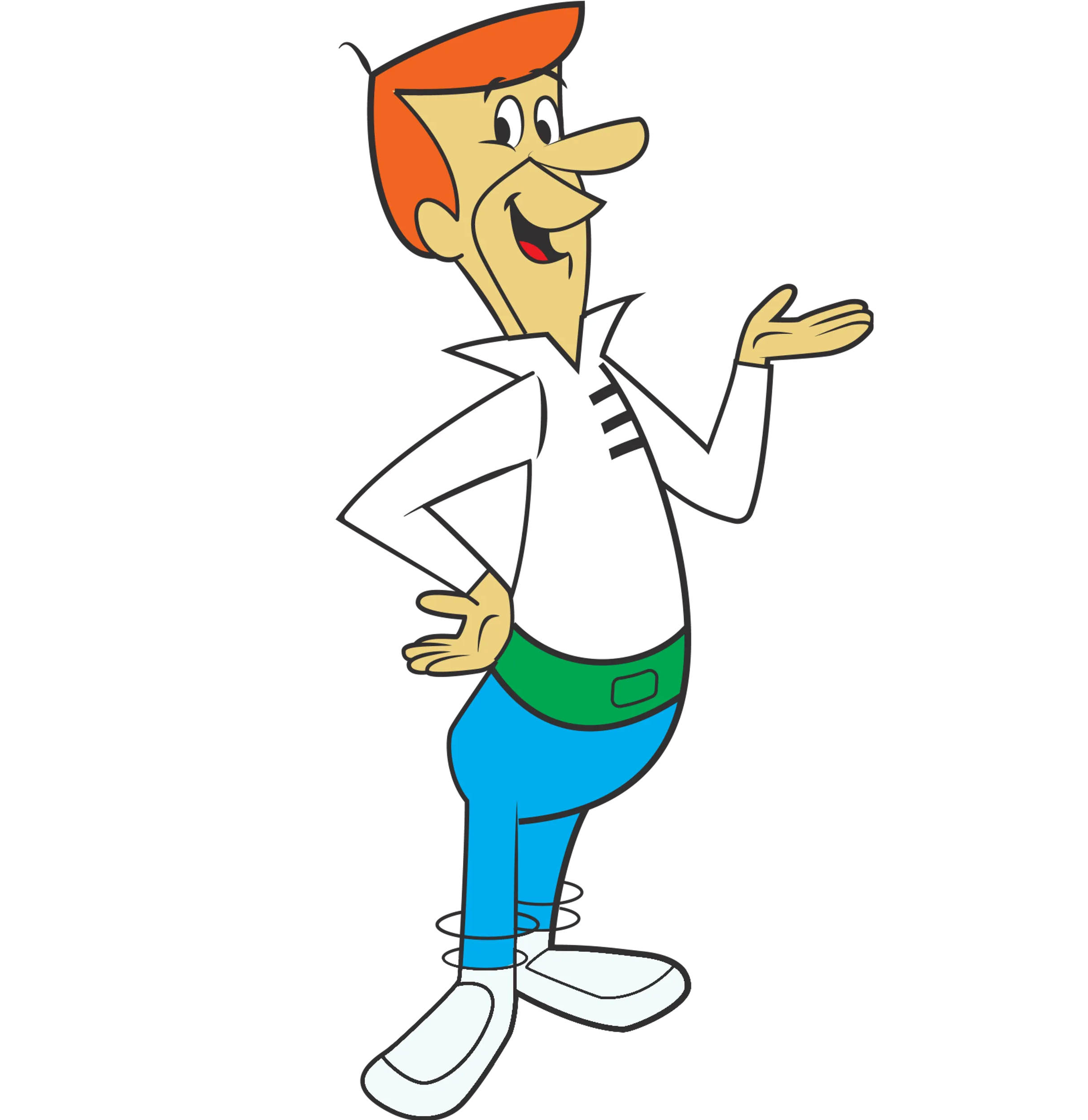
George Jetson

He pushes one button for nine hours a day and still can't catch a break. George Jetson is the original overworked everyman — a relatable figure of suburban frustration dressed up in a silver jumpsuit. His voice actor Mel Blanc (the same legend behind Bugs Bunny) gave him a lovable haplessness that made audiences root for him every episode.

George's relationship with his family is the emotional core of the show. Whether he's pleading with Jane for a raise in his allowance or trying to keep up with Elroy's genius-level homework, he's the anchor that holds the Jetson household together — barely.

On SendMeYourList, George claimed the top spot by a comfortable margin. The hardworking dad who never quite gets it right is apparently timeless.

2. Jane Jetson
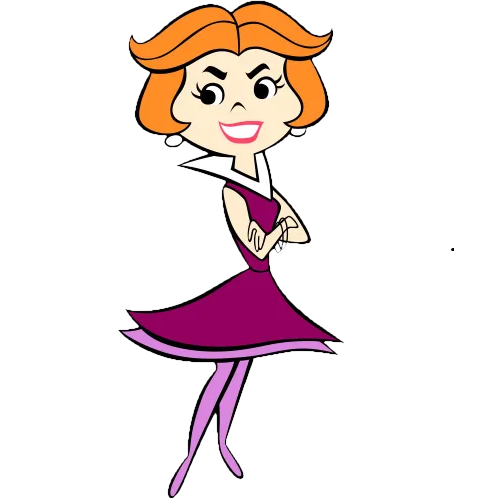
Jane Jetson

"Jane, his wife" — the immortal lyric from the theme song introduced her as a secondary character, but Jane consistently outranks that billing. She's sharp, stylish, and runs the Skypad Apartment like a CEO. In an era when most animated wives were background props, Jane Jetson had opinions, ambitions, and a credit card she used fearlessly.

Her dynamic with George is the beating heart of the show — equal parts affection and exasperation. She's the one who keeps the family grounded (figuratively speaking — they live on a mile-high platform) while George and the kids bounce from one futuristic misadventure to the next.

Fans clearly remember Jane fondly. If you want to weigh in, head over to the Jetsons character ranking and move her wherever she belongs on your list.

3. Judy Jetson

Judy Jetson

The quintessential space-age teenager. Judy Jetson was obsessed with pop stars, fashion, and the interplanetary equivalents of social media — decades before any of that existed in the real world. She's proof that Hanna-Barbera understood teen culture better than most live-action shows of the era.

Voiced by Janet Waldo, Judy brought genuine warmth and humor to what could have been a one-note "girl crazy about boys" cliché. Her episodes often carried surprising heart beneath the comedy. She's a fan favorite for anyone who grew up watching Saturday morning cartoons.

Love her or want to bump her down? The live ranking on SendMeYourList updates in real time — your vote counts.

4. Elroy Jetson
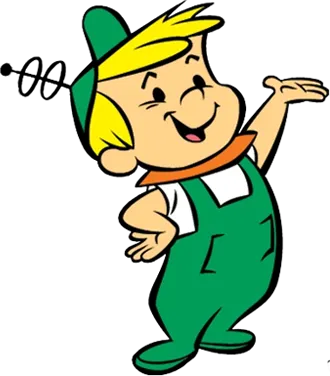
Elroy Jetson

Six years old, genius-level IQ, and somehow still relatable. Elroy is the show's secret weapon — a kid who can build a rocket from spare parts but still needs his dad to tie his shoes (metaphorically). His boundless curiosity and genuine sweetness made him one of the most likable child characters in animated history.

Elroy's friendship with Astro is one of the underrated joys of the series. The two of them — kid and dog — represent the show's purest version of childhood, even when that childhood involves jet-pack school trips and robot teachers.

If you're a fan of smart, sweet animated kids, check out our Harry Potter characters ranking — another list where the young genius types tend to dominate.

5. Rosie the Robot
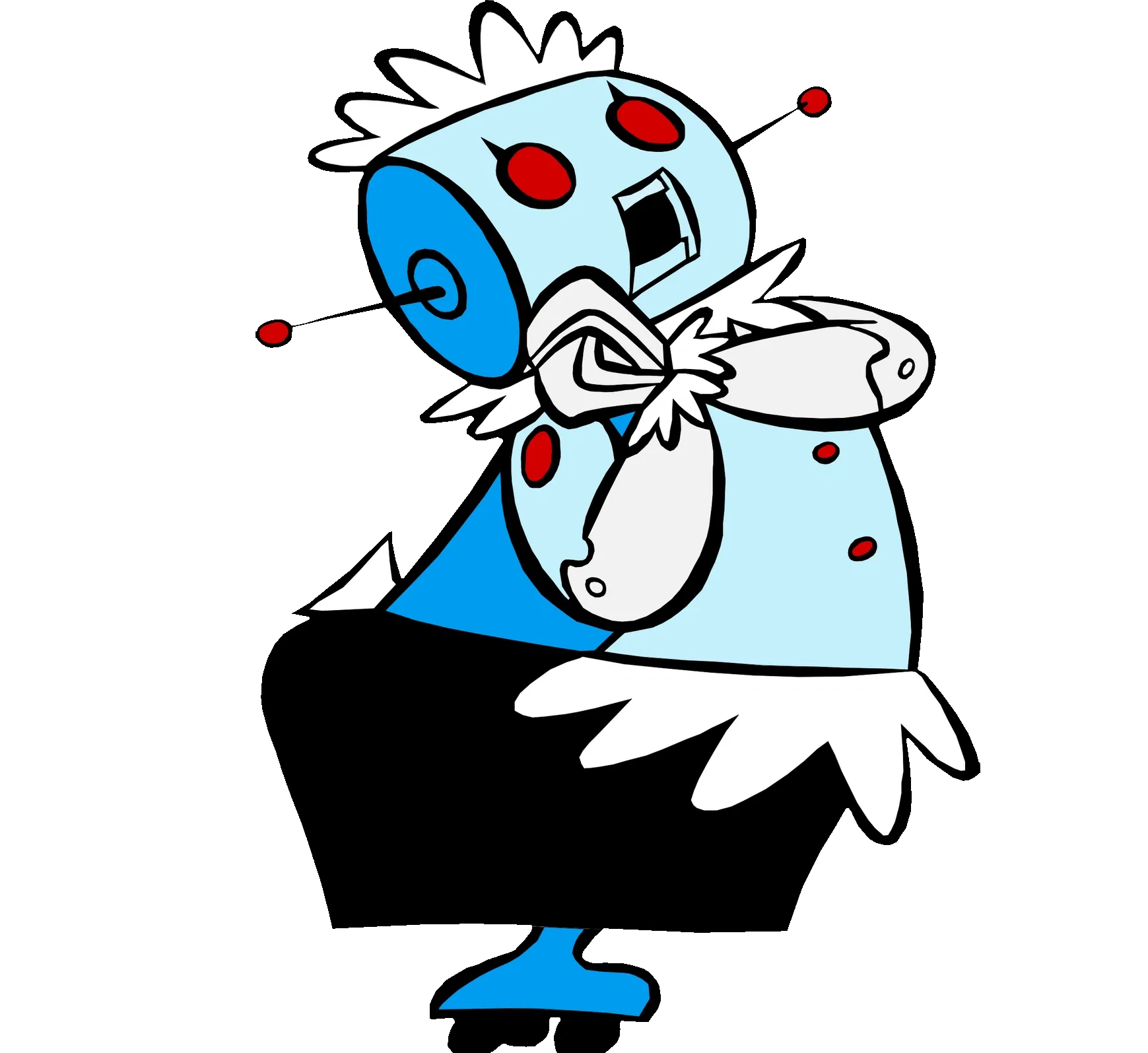
Rosie the Robot

The most influential fictional robot maid in history. Rosie predated Alexa, Siri, and every smart home assistant by decades — and she did it with more personality than all of them combined. Her clunky, outdated design (even by the show's futuristic standards — the Jetsons called her a "Model XB-500, slightly obsolete") became a symbol of lovable imperfection.

Rosie isn't just a household appliance — she's family. She gives advice, shows affection, and occasionally overrides the family's terrible decisions with Midwestern common sense. The writers were clearly fond of her; she got more depth and more laugh-out-loud moments than most supporting characters get in an entire series run.

Curious how she compares to other iconic robots and AI characters in pop culture? Take a look at our growing collection of pop culture rankings on the blog.

6. Astro

Astro the dog

"Ruh-roh!" Astro the dog communicates entirely in a speech pattern that replaces most consonants with R — and somehow it works perfectly every time. He's loyal, goofy, and utterly devoted to the Jetson family. In a show filled with futuristic gadgets, Astro is a comforting reminder that some things — especially dogs — don't need to be improved.

His rivalry with Uniblab, the office robot who threatens to replace him as George's companion, produced some of the show's funniest moments. Astro fights back with his characteristic mix of bumbling enthusiasm and genuine heart.

Dog lovers, you might also enjoy ranking our Seinfeld characters (warning: Newman may cause similar frustration to Uniblab).

7. Mr. Spacely
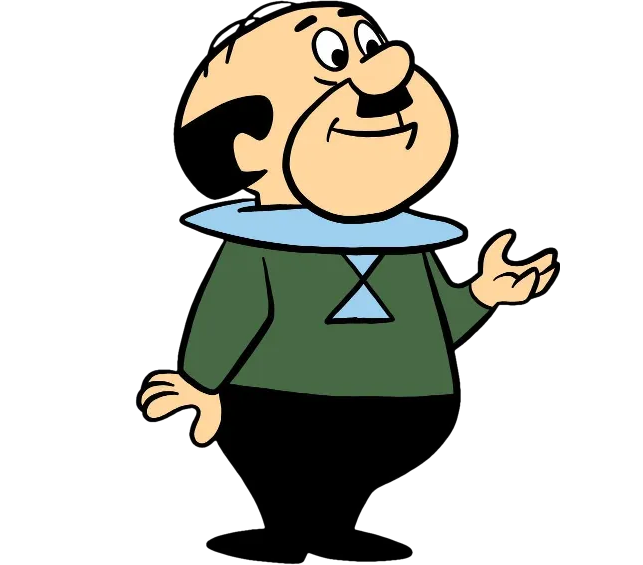
Mr. Spacely

Cosmo G. Spacely is the greatest cartoon boss in television history. Small in stature, enormous in ego, and absolutely volcanic in temper — he's fired George Jetson in nearly every episode yet somehow keeps rehiring him. His relationship with George is the show's engine: Spacely's unreasonable demands drive the plot, and George's inability to meet them generates the comedy.

What makes Spacely work is that he's not entirely unsympathetic. Beneath the bluster he occasionally shows flashes of genuine care for his company and even, grudgingly, for his employees. He's the ancestor of every terrible-boss comedy character that came after him — from Bill Lumbergh to Michael Scott.

Think you can rank fictional bosses? SendMeYourList lets you build any list you want — from TV characters to life decisions. Try it.

8. Sentro
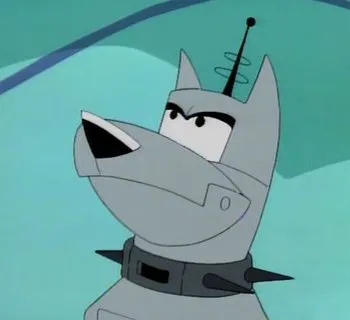
Sentro

The electronic brain at Spacely Sprockets, Sentro represents the show's exploration of workplace automation — a theme that feels startlingly relevant today. While the main characters get the spotlight, Sentro quietly embodies the show's central tension: what happens to humans when machines can do their jobs?

For a character with limited screen time, Sentro has acquired genuine cult status among dedicated fans of the series. If you remember Sentro fondly, you're in select company — and probably the kind of Jetsons viewer who caught every detail.

9. Montague Jetson
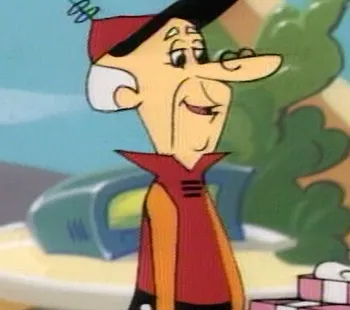
Montague Jetson

George's wealthy uncle Montague is everything George aspires to be — successful, respected, comfortably retired — and the contrast between them is played for both comedy and occasional poignancy. Montague represents the generational version of "keeping up with the Joneses," except the Joneses live in an even taller space tower.

He appears sparingly but memorably, and his episodes often give George more depth than the standard "button-pushing at Spacely" setup allows. A character worth more love than his ranking suggests.


What Does This Ranking Tell Us?

The top four slots all belong to the Jetson family itself — George, Jane, Judy, and Elroy. Fans clearly connected most with the domestic heart of the show rather than the futuristic gadgetry around it. Rosie and Astro round out the top six, which means the show's two non-human "family members" outrank every external character by a significant margin.

It's a reminder that The Jetsons, for all its space-age spectacle, was fundamentally a family sitcom. The flying cars and pneumatic tube commutes were backdrop. The reason people still watch it is the same reason they watched it in 1962: the Jetsons feel like family.

For comparison, check out how fans ranked another classic TV cast in our Seinfeld characters poll — or explore all of our TV show rankings on the blog.

Disagree? Build Your Own List.

Think Rosie should be #1? That Astro is criminally underrated? That Mr. Spacely deserves far more credit? This ranking is a snapshot — it changes every day as new fans vote.

Head over to the Jetsons character ranking page on SendMeYourList and drag the characters into your definitive order. Share it. Start an argument. That's what lists are for.

And if you want to go deeper, SendMeYourList.com has rankings for everything from Mario characters to Harry Potter to Star Wars. Your opinion belongs in the data.

Why Personalization Is Overrated

Personalization was sold as the cure for information overload. In many cases, it narrowed our world instead. The more systems optimize for i...